The Ultimate Guide to Galle Fort: Things to Do & See
The Short Version
The top things to do in Galle Fort include walking the historic 17th-century ramparts at sunset, visiting the iconic Galle Lighthouse, exploring the Dutch Reformed Church, shopping for gems and crafts at Pedlar Street, and enjoying High Tea at Amangalla. It is a perfect blend of colonial history and vibrant modern culture.
Planning a trip to Sri Lanka?
We guide you from visa to hotels, beaches to hidden temples — and everything in between. Just drop us a WhatsApp, we reply in minutes.
The Ultimate Guide to Galle Fort: Things to Do & See
Walking through the ancient gates of Galle Fort is like stepping into a beautifully preserved capsule of history where time seems to slow down. Built first by the Portuguese in 1588 and later extensively fortified by the Dutch during the 17th century, this UNESCO World Heritage site is a living, breathing monument.
Unlike many historical ruins around the world, Galle Fort is an active community. Schools, courts, administrative offices, and private homes seamlessly share cobblestone streets with luxury boutiques, artisanal cafes, and boutique hotels. At Tarragon Leisure, we believe no South Coast Vibe tour is complete without wandering through this architectural marvel.
In this comprehensive guide, we will dive deep into the best Galle Fort things to do, ensuring you experience the true essence of this magnificent coastal citadel. Whether you are adding this to your 2 Week Sri Lanka Itinerary or simply visiting on a day trip, here is everything you need to know.
1. Walk the Historic Fort Ramparts at Sunset
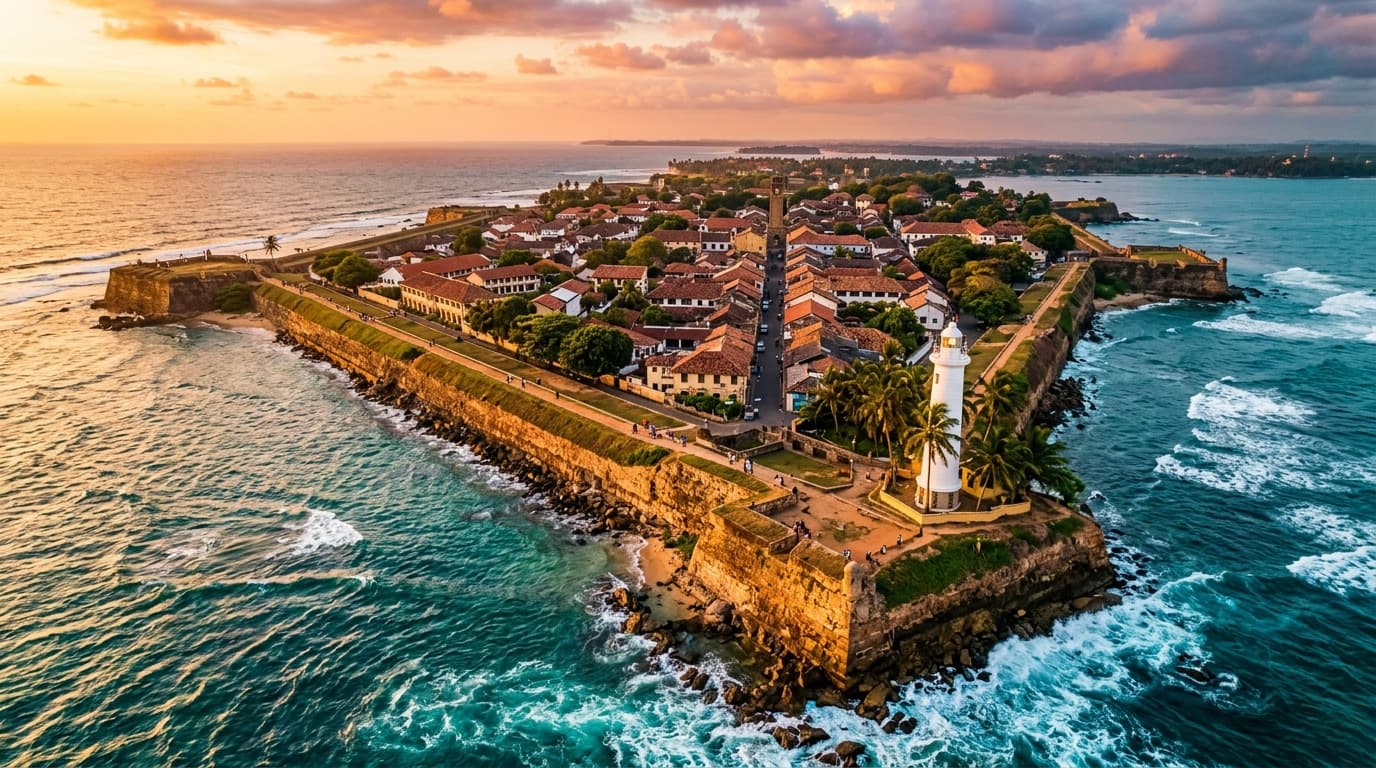
What makes the ramparts so special? The massive stone walls that encircle the fort offer the most spectacular vantage points over the Indian Ocean and the historic town inside.
Stretching for roughly three kilometers around the peninsula, the ramparts of Galle Fort were designed to protect the city from naval attacks and the unforgiving ocean. Today, they serve as a picturesque promenade. We highly recommend starting your walk near the Main Gate and making your way counter-clockwise towards the iconic lighthouse.
As the late afternoon heat begins to dissipate, the ramparts come alive. You'll see local families flying kites, teenagers playing impromptu games of cricket, and couples strolling hand-in-hand. The western-facing walls near the Flag Rock Bastion provide a front-row seat to one of the most stunning sunsets in Sri Lanka. It’s an essential experience that costs absolutely nothing but leaves a lasting impression.
2. Marvel at the Iconic Galle Lighthouse
Is the Galle Lighthouse open to the public? While you cannot climb to the top of the lighthouse itself, the palm-fringed area surrounding it is completely open and serves as the most photographed landmark in the fort.
Located at the Point Utrecht Bastion on the southeastern tip of the fort, the current Galle Lighthouse was built in 1939. It stands 26.5 meters tall, replacing an older lighthouse that was destroyed by fire in 1934. The stark white structure against the deep blue of the Indian Ocean and the swaying green palm trees creates a picture-perfect postcard scene.
This area is also perfect for a morning stroll when the light is soft, or for capturing stunning silhouettes at dawn. From the lighthouse, you can look down at the pristine crescent of the lighthouse beach, where the waters are often calm enough for a quick, refreshing dip.
3. Explore the Dutch Reformed Church and Historical Architecture
Why is the architecture in Galle Fort so unique? The fort represents a unique intersection of European architectural styles and South Asian traditions, adapted perfectly for the tropical climate.
One of the most profound examples of this is the Dutch Reformed Church (Groote Kerk), built in 1755. The church was constructed on the highest point of the fort and is one of the oldest Protestant churches in Sri Lanka. Inside, you'll find an austere yet beautiful interior, characterized by its vaulted ceiling and a floor paved with gravestones from the old Dutch cemetery.
Just a short walk away is the All Saints Anglican Church, a magnificent Victorian Gothic structure built in 1871. Its heavy stone columns and intricate woodwork stand in stark contrast to the Dutch colonial style, showcasing the layers of colonial history (Portuguese, Dutch, and British) that shaped the region.
Take the time to wander down Leyn Baan Street and Pedlar Street. Notice the deep verandas, the pillared facades, and the terracotta tiled roofs designed to keep the interiors cool before the advent of air conditioning.
4. Shop for Sapphires, Spices, and Artisan Crafts
Where is the best place to shop in Galle? Pedlar Street and Church Street are the main arteries for shopping, offering everything from rare Ceylon sapphires to bespoke linen clothing.
Sri Lanka has long been famous for its precious stones, and Galle Fort is one of the most reputable places to purchase them. If you are looking for a world-class blue sapphire, you will find several trusted, multi-generational jewelers here. Always ask for a certificate of authenticity when making a significant purchase.
Beyond gems, the fort is a haven for boutique shopping. You can find intricately carved wooden masks, fragrant Ceylon cinnamon, handmade organic skincare products, and stunning vintage posters. Brands like Barefoot offer vibrant handloom textiles, while Stick No Bills is famous for its retro Ceylon travel posters. Shopping here feels distinct from the rest of the island—curated, high-quality, and deeply artistic.
5. Indulge in Sri Lankan and International Cuisine
What should you eat when visiting Galle Fort? You must try a traditional Sri Lankan rice and curry, but you should also take advantage of the fort's incredible seafood and artisanal cafe culture.
Galle Fort’s culinary scene is vibrant and diverse. For a deeply local experience, look for small family-run establishments tucked down narrow alleys that serve phenomenal rice and curry spreads. These typically include a fiery fish or chicken curry, accompanied by dhal, gotu kola sambol (pennywort salad), brinjal moju (sweet eggplant pickle), and crispy papadums.
If you are craving international flavors or a perfectly brewed espresso, you won't be disappointed. The fort is home to numerous chic cafes serving excellent flat whites, smoothie bowls, and fresh pastries. In the evening, the dining scene elevates. You can enjoy freshly caught tuna steaks or jumbo prawns at upscale restaurants set in beautifully restored courtyards.
For a touch of colonial elegance, book an afternoon High Tea at the Amangalla Hotel. Served on their breezy veranda, it’s a luxurious way to rest your feet, sip on premium Ceylon tea, and enjoy delicate sandwiches and scones.
6. Visit the National Maritime Museum
Is the Maritime Museum worth a visit? Yes, especially if you are interested in Sri Lanka’s rich naval history, ancient shipwrecks, and the importance of the spice trade.
Housed in a massive 17th-century Dutch warehouse located above the Old Gate, the National Maritime Museum is a fascinating stop. The museum highlights the profound connection Sri Lanka has with the ocean. Exhibits include artifacts recovered from shipwrecks off the southern coast, traditional fishing catamarans, maps of the ancient spice routes, and detailed dioramas of maritime life.
It provides crucial context to why Galle was such a highly contested port for centuries. The building itself, with its thick walls and imposing archways, is just as impressive as the collection it holds.
7. Discover the Hidden Beaches and Day Trips
Can you swim at Galle Fort? While Galle isn't primarily known as a beach destination, there is a small, safe beach near the lighthouse perfect for a quick dip.
If you're exploring the fort and the tropical heat becomes overwhelming, head towards the lighthouse. Just below the ramparts is Lighthouse Beach. It's a small crescent of sand with relatively calm waters, sheltered by the fort walls. It’s popular with local children on weekends and offers a safe, refreshing break from walking.
However, if you are looking for long stretches of sandy shores and surfing, we recommend heading slightly further out. The beautiful bay of Unawatuna is just a 15-minute tuk-tuk ride away. Or, if you want to explore further down the coast, you can read our guide on Whale Watching in Mirissa and combine it with a visit to Mirissa's vibrant beaches. You could also easily take a day trip to the spectacular beaches of Tangalle or go on an unforgettable wildlife safari in Udawalawe National Park to see herds of wild elephants.
8. Immerse in the Arts and Culture Scene
What is the creative vibe like in Galle? Galle Fort has naturally attracted writers, artists, and creatives from across the globe, establishing itself as a premier cultural hub in Sri Lanka.
Every year, the fort hosts the prestigious Galle Literary Festival, which draws internationally acclaimed authors and poets for a weekend of readings, discussions, and elegant soirées. Even outside the festival season, the artistic energy is palpable. You can spend an afternoon browsing through intimate, privately-owned art galleries that showcase contemporary Sri Lankan painters and sculptors. Many heritage homes have been transformed into exhibition spaces where you can find unique pieces that beautifully capture the vibrant essence of the island. Do not miss the opportunity to visit some of the local photography exhibitions that document the fascinating evolution of the fort from its colonial past to its present cosmopolitan revival.
9. Stay in a Restored Colonial Villa
Is it worth staying inside the fort overnight? Absolutely. Experiencing Galle Fort after the day-trippers have departed is completely different and deeply romantic.
When the sun sets and the narrow streets are illuminated by soft, amber streetlamps, the true magic of the citadel reveals itself. Staying in a restored colonial villa or a boutique hotel allows you to fully immerse yourself in this atmosphere. These properties typically feature magnificent internal courtyards, plunge pools shaded by frangipani trees, four-poster beds draped in mosquito netting, and antique Dutch furniture. The service is universally impeccable, characterized by warm Sri Lankan hospitality. The Fort Bazaar and Galle Fort Hotel are both excellent options, offering an unforgettable blend of historical charm and modern luxury. Waking up to the sound of temple bells and the distant crash of the ocean, followed by a leisurely breakfast of fresh tropical fruit and string hoppers in your private garden, is an unforgettable experience.
Planning Your Visit to Galle
Galle is easily accessible from Colombo via the Southern Expressway, making it a very comfortable two-hour drive. You can also take the scenic coastal train from the capital, which offers beautiful ocean views for much of the journey.
If you are planning to travel further into the island's interior after your coastal stay, you might be wondering about the transition from the beach to the mountains. Be sure to check out our Ella Travel Guide and perhaps look into our Explore the Cold Country itinerary.
Galle Fort is more than just a tourist attraction; it is a testament to the resilience of history. Its streets invite you to get lost, to peek into hidden courtyards, and to feel the cool ocean breeze that has refreshed travelers for centuries.
At Tarragon Leisure, we specialize in curating experiences that go beyond the guidebook. If you want to experience the magic of the South Coast with local experts who know every hidden secret of the fort, Contact Us today to start planning your bespoke Sri Lankan adventure.
Frequently Asked Questions
Handpicked Tours for This Journey
South coast vibe

The Surfing Paradise