
Exploring the Cultural Triangle of Sri Lanka: A Journey Through Ancient History
The Short Version
The Cultural Triangle of Sri Lanka encompasses the ancient capitals and sacred sites in the island's central plains. Key highlights include climbing the Sigiriya Rock Fortress, exploring the ruins of Polonnaruwa, admiring the Dambulla Cave Temple, and visiting the sacred stupas of Anuradhapura.
Planning a trip to Sri Lanka?
We guide you from visa to hotels, beaches to hidden temples — and everything in between. Just drop us a WhatsApp, we reply in minutes.
The Cultural Triangle of Sri Lanka: Sigiriya, Dambulla & Polonnaruwa
Hidden amidst the lush, sun-baked plains of central Sri Lanka lies a region so steeped in history and myth that it feels like stepping back in time. This is the Cultural Triangle of Sri Lanka, a repository of ancient Sinhalese civilization, magnificent architecture, and profound spiritual heritage. Bounded by the ancient capitals of Anuradhapura and Polonnaruwa, and the hill capital of Kandy, this geographical marvel is home to several spectacular UNESCO World Heritage sites.
For the intrepid traveler, the Cultural Triangle offers an unparalleled journey into antiquity. From colossal rock fortresses reaching for the sky to vast, intricately carved ancient cities and mysterious cave temples, the sheer scale and artistry of these sites are breathtaking.
At Tarragon Leisure, we believe that understanding the soul of Sri Lanka requires a deep dive into its past. In this comprehensive guide, we will explore the four main pillars of the Cultural Triangle—Sigiriya, Polonnaruwa, Dambulla, and Anuradhapura—and provide you with the ultimate itinerary and practical advice for experiencing this majestic region in luxury and comfort.
The Four Pillars of the Cultural Triangle
To truly appreciate the Cultural Triangle of Sri Lanka, one must dedicate time to explore its four most significant archaeological wonders. Each site offers a unique perspective on the ingenuity and spirituality of ancient Sri Lankan kings and artisans.
1. Sigiriya: The Lion Rock Fortress
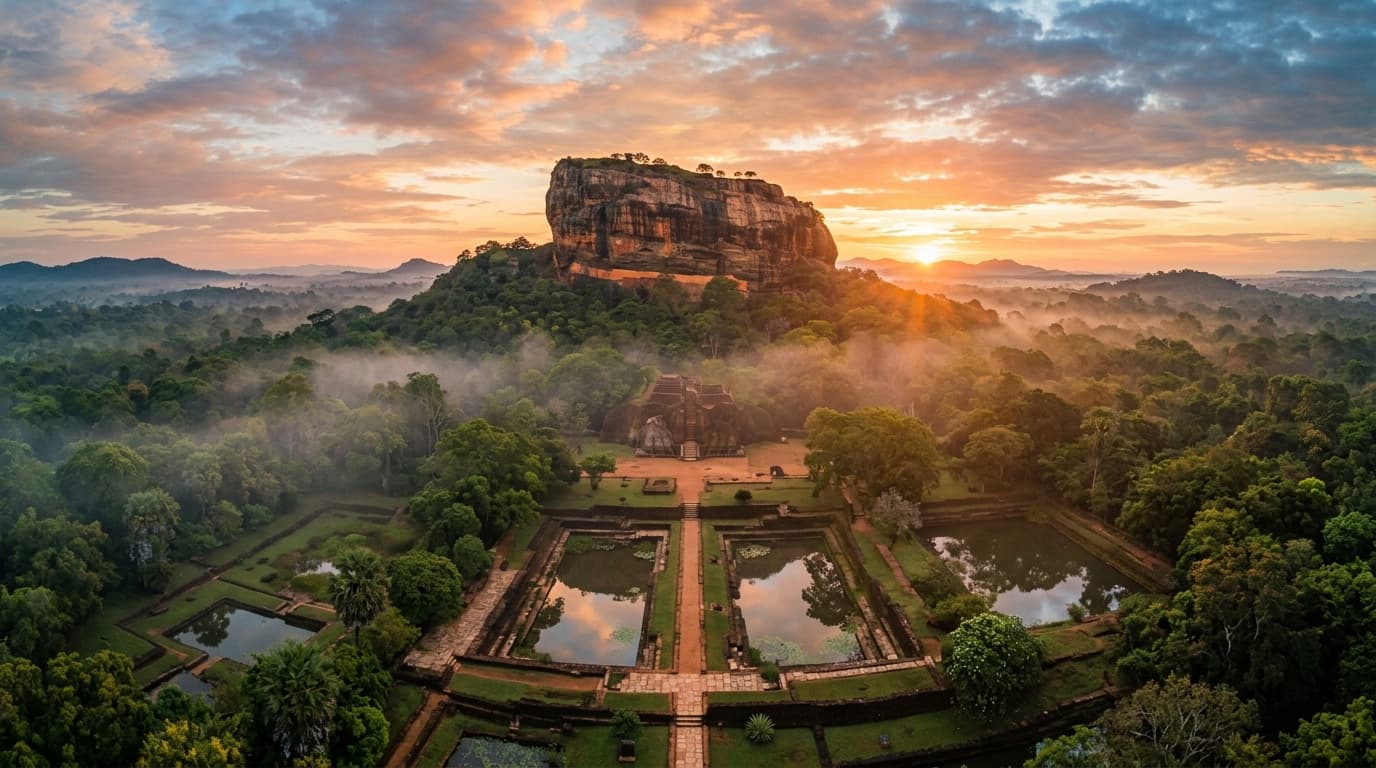
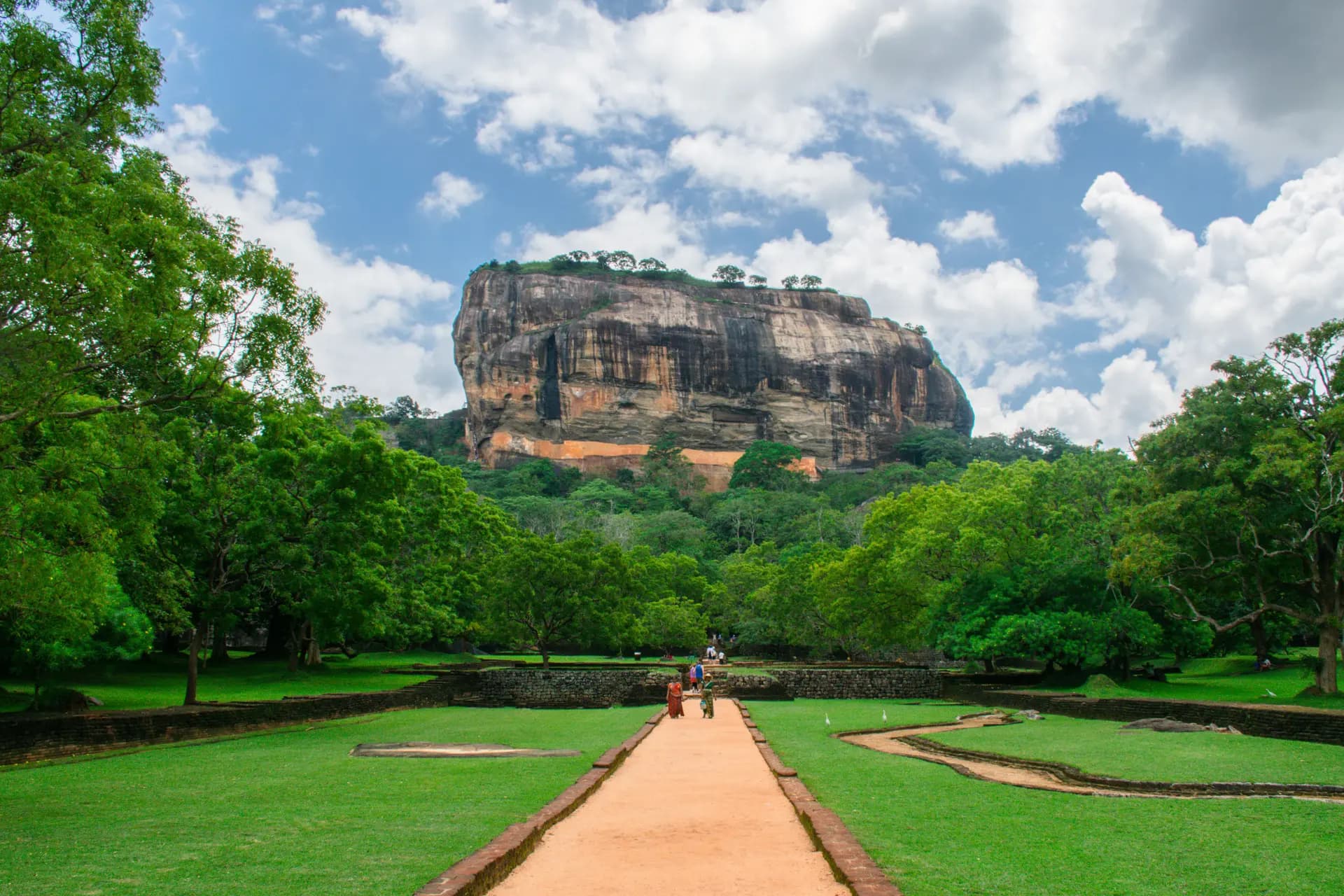
Perhaps the most iconic image of Sri Lanka, Sigiriya is an absolute marvel of ancient engineering and urban planning. Rising 200 meters abruptly from the surrounding jungle, this massive granite monolith was transformed into a fortified palace by King Kasyapa in the 5th century AD.
The Experience: Climbing Sigiriya is a rite of passage. The ascent involves roughly 1,200 steps, winding through terraced gardens, past mirror walls, and up steep metal staircases clinging to the rock face.
- The Frescoes: Halfway up the rock, sheltered in a depression, are the famous Sigiriya Frescoes—exquisite, ancient paintings of celestial maidens.
- The Lion Gate: Before the final steep ascent, you arrive at a plateau guarded by two massive, carved lion paws—the remnants of a colossal brick lion through whose mouth the original pathway led.
- The Summit: The flat top of the rock reveals the foundations of Kasyapa's palace. The 360-degree panoramic views of the surrounding jungle and distant hills are spectacular, making the arduous climb entirely worthwhile.
Pro Tip: To avoid the intense midday heat and the large crowds, start your climb right when the gates open at 7:00 AM, or opt for a late afternoon ascent. For a deeper dive into this magnificent site, read our dedicated Sigiriya Rock Fortress Guide or explore our Sigiriya Rock Fortress Discovery tour.
2. Polonnaruwa: The Cycling City of Ruins
Following the decline of Anuradhapura in the 10th century, the capital was moved to Polonnaruwa. Today, the ruins of this ancient garden city are remarkably well-preserved, offering a vivid glimpse into a glorious epoch of Sinhalese history under the reign of King Parakramabahu I.
The Experience: The archaeological park of Polonnaruwa is vast and flat, making it the perfect site to explore by bicycle. Gliding along shaded, dirt paths between centuries-old monuments is a deeply atmospheric experience.
- The Royal Palace: Explore the imposing brick walls of what was once a towering, multi-story palace complex.
- The Quadrangle (Dalada Maluva): A concentrated collection of some of the finest ancient architecture in Sri Lanka, including the circular Vatadage and the intricately carved Thuparama.
- Gal Vihara: The undeniable highlight of Polonnaruwa. This rock temple features four colossal Buddha statues—seated, standing, and reclining—carved directly into a single, massive granite boulder. The serene expression on the face of the 14-meter-long reclining Buddha is a masterpiece of ancient sculpture.
3. Dambulla Cave Temple: A Golden Sanctuary
Situated at the geographic center of the Cultural Triangle, the Dambulla Cave Temple (also known as the Golden Temple of Dambulla) is the largest and best-preserved cave temple complex in Sri Lanka. It has been a sacred pilgrimage site for over 2,000 years.
The Experience: A short but steep climb up a rocky outcrop brings you to a series of five distinct caves tucked under a massive overhanging rock.
- The Interiors: Stepping inside the dimly lit caves is awe-inspiring. The walls and ceilings are entirely covered in intricate, vibrant Buddhist murals depicting the life of the Buddha and Sinhalese history.
- The Statues: The caves house over 150 stunning statues of the Buddha, ranging in size and posture, bathed in the soft glow of temple offerings. The serenity and spiritual weight of the space are palpable.
4. Anuradhapura: The First Capital and Sacred City
Anuradhapura is the granddaddy of them all. Founded in the 5th century BC, it served as the capital of Sri Lanka for over a millennium. It was one of the greatest monastic cities of the ancient world and remains a deeply sacred site for Buddhists today.
The Experience: The ruins of Anuradhapura are spread over a massive area, characterized by colossal dome-shaped stupas (dagobas) that rival the pyramids of Egypt in scale.
- Ruwanwelisaya: This magnificent white stupa, guarded by a wall of hundreds of carved elephants, is a focal point of worship and a stunning architectural achievement.
- Jaya Sri Maha Bodhi: This is the spiritual heart of Anuradhapura. It is the oldest historically documented, human-planted tree in the world, grown from a cutting of the original fig tree under which the Buddha attained enlightenment.
- Abhayagiri and Jetavanaramaya: Explore the massive, brick-red stupas that once anchored immense monastic complexes housing thousands of monks.
Uncovering the Hidden Gems: Ritigala and Yapahuwa
While the four main pillars rightly command the most attention, the Cultural Triangle is dotted with lesser-known but equally fascinating sites that offer a quieter, more intimate historical experience away from the tourist crowds.
Ritigala Strict Nature Reserve
Tucked away in the jungle between Habarana and Anuradhapura, Ritigala is an ancient Buddhist monastery complex dating back to the 1st century BC. Unlike the grand, decorated stupas of Anuradhapura, Ritigala was a monastery for ascetic monks (Pamsukulikas) who favored extreme simplicity.
The site features no statues or murals. Instead, you'll find beautifully paved stone pathways winding up the mountain through dense, silent forest, leading to simple stone meditation platforms and ancient bathing pools. The atmosphere here is deeply meditative and distinctly different from the grandeur of the other capitals. The surrounding nature reserve is also known for its unique microclimate and medicinal herbs, adding a layer of natural wonder to the historical intrigue.
Yapahuwa Rock Fortress
Located on the fringes of the Cultural Triangle to the southwest, Yapahuwa briefly served as the capital of Sri Lanka in the late 13th century after the fall of Polonnaruwa. Similar to Sigiriya, it is built upon a massive granite rock rising from the plains, but it is far less visited.
Its most striking feature is the spectacular, steeply pitched ornamental staircase that leads up the rock face, flanked by beautiful stone carvings of lions (which distinctively display Chinese architectural influence) and mythical creatures. While the palace structures at the summit have largely disappeared, the views from the top and the incredible artistry of the monumental staircase make Yapahuwa a rewarding detour for dedicated history enthusiasts.
A Suggested 3-Day Cultural Triangle Itinerary
Exploring the Cultural Triangle of Sri Lanka properly requires time. Rushing from site to site in the sweltering heat is a recipe for exhaustion. This 3-day itinerary ensures you see the highlights while maintaining a comfortable, luxurious pace. For a broader perspective on how this fits into a longer trip, see our 2-Week Sri Lanka Itinerary.
Day 1: Arrival and The Golden Caves
- Morning: Arrive in the Cultural Triangle from Colombo or the airport.
- Lunch: Check into your luxury accommodation in Habarana, Sigiriya, or Dambulla and enjoy a relaxed lunch.
- Afternoon: When the sun begins to lower, take the short climb up to the Dambulla Cave Temple. The cooler afternoon temperatures make the ascent much more pleasant, and the soft light is perfect for photography.
- Evening: Return to your hotel for a traditional Sri Lankan curry dinner.
Day 2: Conquering the Rock and Evening Safaris
- Early Morning (7:00 AM): Arrive at Sigiriya Rock Fortress as the gates open. The climb is cooler, the crowds are thinner, and the morning mist surrounding the rock is magical.
- Late Morning: Descend the rock and return to your hotel for a hearty, well-deserved breakfast and relaxation by the pool.
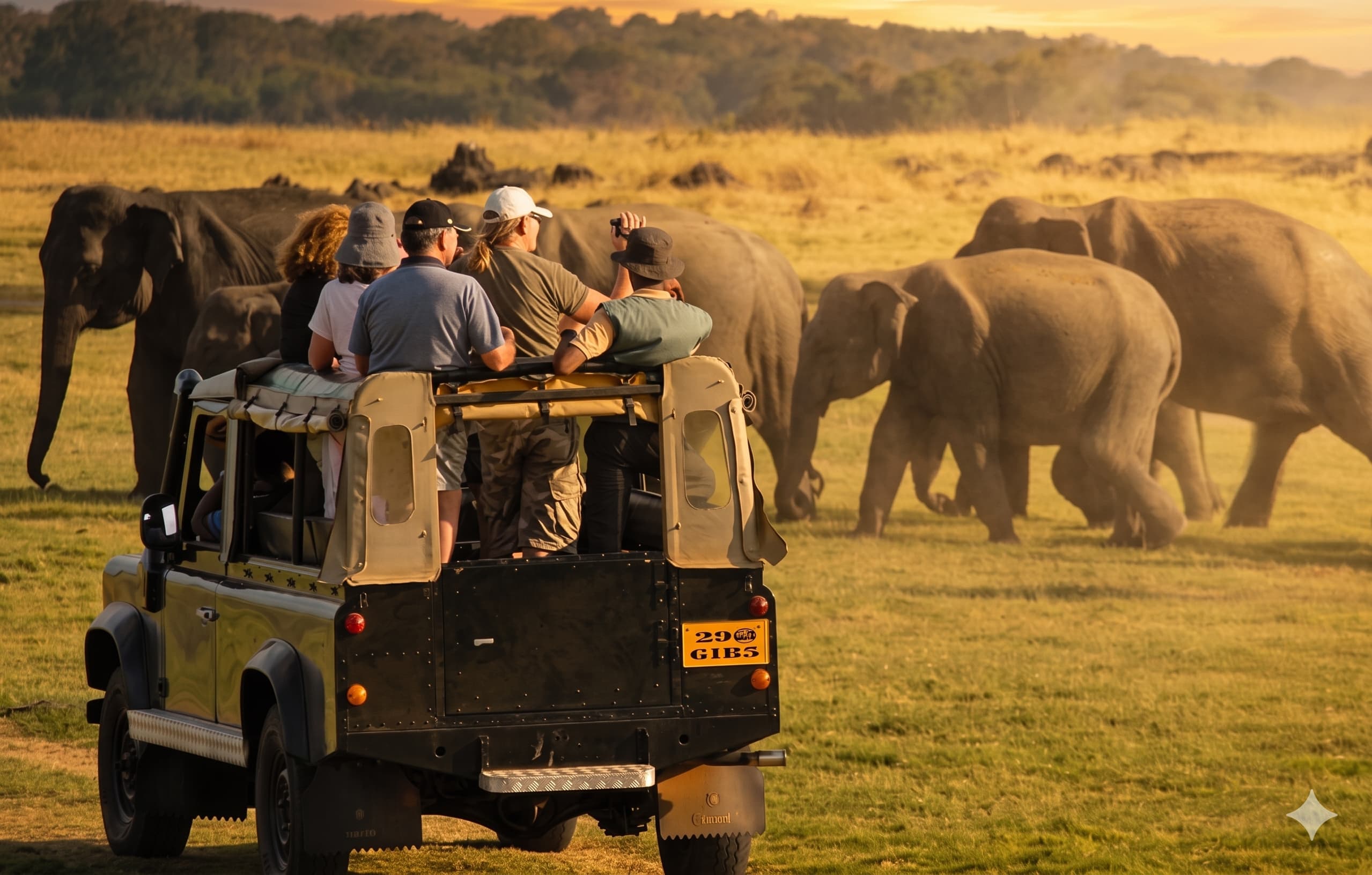
- Afternoon (3:00 PM): Switch gears from history to wildlife. Embark on a 4x4 jeep safari in nearby Minneriya or Kaudulla National Park. These parks are famous for the "Gathering" of elephants. If you are a wildlife enthusiast, you might also consider adding a Yala Wildlife Safari to the southern leg of your journey.
Day 3: The Ancient Glories of Polonnaruwa
- Morning: After breakfast, take the roughly one-hour drive to Polonnaruwa.
- Activity: Hire bicycles at the entrance and spend the morning cycling through the ancient ruins, culminating with the awe-inspiring Gal Vihara statues.
- Lunch: Enjoy a traditional village lunch near the ruins.
- Afternoon: Return to your base for relaxation, or if you have the energy, take a guided bird-watching walk around the Habarana lake.
(Note: Anuradhapura is situated further north. If you wish to include it, we highly recommend adding a 4th day to your itinerary to dedicate a full day to exploring its vast complex.)
Practicalities: Making the Most of Your Visit
Navigating the Cultural Triangle requires a bit of logistical planning. Here is how to ensure your experience is seamless and enjoyable.
Where to Base Yourself
The Cultural Triangle is a large area. While Anuradhapura and Kandy form the "corners," basing yourself centrally minimizes driving time between the main sites.
- Sigiriya and Habarana: These adjacent areas are ideal. They are very close to Sigiriya Rock, Minneriya National Park, and Dambulla, and offer excellent access to Polonnaruwa. This region boasts some of the finest luxury eco-lodges and boutique hotels in the country.
- Dambulla: Also a very central hub with excellent road connections.
The Advantage of a Private Chauffeur-Guide
We strongly advise against relying on public transport or piecing together tuk-tuks to explore the Cultural Triangle. The distances are significant, and the heat can be intense.
Hiring a private vehicle with a professional chauffeur-guide is the most luxurious and efficient way to travel.
- Comfort: Retreating to an air-conditioned car with cold water after climbing Sigiriya is invaluable.
- Expertise: The history of these sites is complex. A knowledgeable guide provides the context necessary to bring the ruins to life, explaining the nuances of ancient engineering and Buddhist mythology.
- Flexibility: Your driver can tailor the schedule to avoid the hottest parts of the day and adapt the itinerary based on your energy levels.
When to Visit and What to Wear
The Cultural Triangle is situated in Sri Lanka's "dry zone," meaning it generally experiences less rainfall than the southwest coast. However, it can get very hot, especially from February to April. For a detailed breakdown of weather patterns, read our post on the best time to visit Sri Lanka.
Dress Code is Critical: Remember that Dambulla, Polonnaruwa, and Anuradhapura are deeply sacred sites.
- Both men and women must cover their shoulders and knees. Carrying a sarong or a large scarf in your daypack is a smart idea.
- You will need to remove your hats and shoes before entering temple grounds. The ground can get scorching hot, so we highly recommend bringing a thick pair of socks to wear when walking around the outdoor temple areas.
Beyond the Triangle
While the Cultural Triangle focuses on ancient history, Sri Lanka's diversity means you are never far from a different type of adventure. From the central plains, you can easily transition to the cool, misty mountains of the tea country (see our Explore the Cold Country tour), or head south to the pristine beaches and colonial charm of Galle.
At Tarragon Leisure, we specialize in weaving these diverse experiences into a seamless, bespoke itinerary. Whether you are mesmerized by ancient ruins, eager to spot wildlife, or simply want to relax in unparalleled luxury, we are here to craft your perfect Sri Lankan journey.
Ready to step back in time? Contact us today to begin planning your extraordinary adventure through the Cultural Triangle of Sri Lanka.
Frequently Asked Questions
Handpicked Tours for This Journey
Sigiriya Rock Fortress Discovery
Yala Wildlife Safari