
Sigiriya Rock Fortress: The Complete Visitor's Guide (2026)
The Short Version
Sigiriya Rock Fortress is a 5th-century royal citadel rising 200m above the Sri Lankan jungle. Entry costs $30 USD for foreign tourists. The climb takes 1–1.5 hours and rewards you with panoramic views, ancient frescoes, and the legendary Mirror Wall. Visit at sunrise to beat the heat and crowds.
Planning a trip to Sri Lanka?
We guide you from visa to hotels, beaches to hidden temples — and everything in between. Just drop us a WhatsApp, we reply in minutes.
Sigiriya Rock Fortress: The Complete Visitor's Guide (2026)
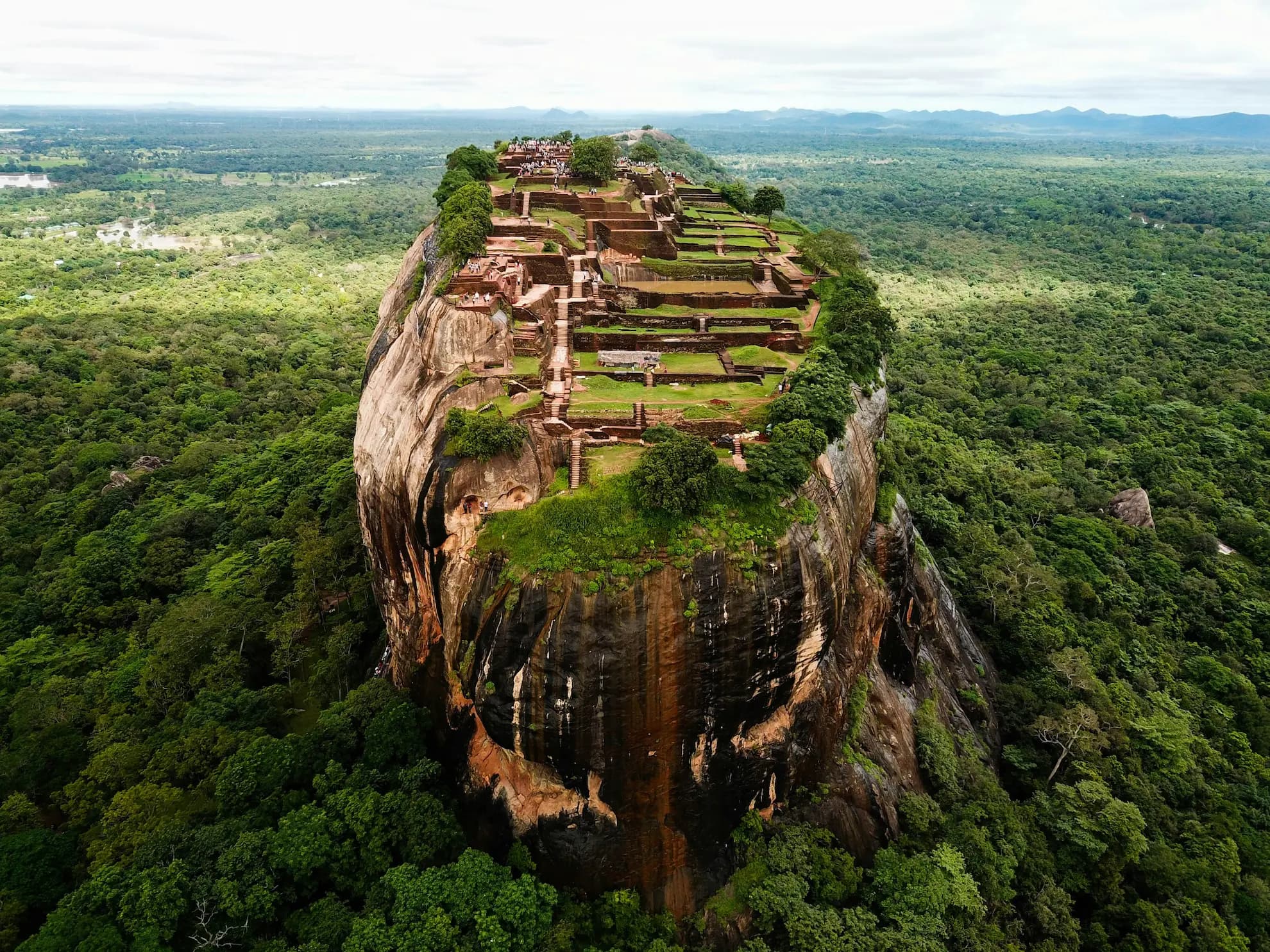
Rising majestically from the central plains of Sri Lanka, the Sigiriya Rock Fortress is an awe-inspiring spectacle. Known locally as the "Lion Rock," this ancient citadel is arguably the most dramatic historical site on the island, if not the world. A soaring monolith of hardened magma, it stands over 200 meters above the surrounding jungle canopy, an imposing testament to human ingenuity and the dramatic beauty of nature. But Sigiriya is not just a geological wonder; it is a profound archaeological treasure that tells the story of an ambitious king, a tragic betrayal, and a kingdom lost to time. For any traveler to Sri Lanka, scaling Sigiriya is an absolute must-do.
In this comprehensive guide, we will cover everything you need to know about visiting the Sigiriya Rock Fortress in 2026, from navigating the entry fees to discovering the best spots for photography. Whether you are exploring the wider Cultural Triangle, booking our Sigiriya Rock Fortress Discovery tour, or traveling independently, this guide is designed to make your journey to the sky seamless and unforgettable.
1. What is Sigiriya?
Sigiriya is an ancient rock fortress and palace ruin located in the central Matale District of Sri Lanka. Today, it is recognized as a UNESCO World Heritage Site and is often referred to by locals as the "Eighth Wonder of the World." The name Sigiriya is derived from the word Sīhāgiri, which translates to Lion Rock.
The history of Sigiriya is as captivating as its appearance. In the late 5th century CE, King Kasyapa (477 – 495 CE) seized the throne of Anuradhapura by orchestrating the murder of his father, King Dhatusena, and forcing his half-brother, the rightful heir Moggallana, into exile. Fearing that Moggallana would return from India to reclaim the throne, Kasyapa moved the capital from the traditional seat of power in Anuradhapura to the more secure and dramatic location of Sigiriya.
During his reign, Kasyapa transformed this massive column of rock into an impregnable fortress and an opulent palace. He built a complex city around its base, complete with elaborate water gardens, boulder gardens, and defensive moats. The summit of the rock was flattened to accommodate a lavish royal palace, pools, and pavilions, offering sweeping 360-degree views of the lush landscape below.
Kasyapa’s reign at Sigiriya, however, was short-lived. In 495 CE, Moggallana returned with an army, and in the ensuing battle, Kasyapa is said to have taken his own life when his troops abandoned him. Following Kasyapa's death, the capital was moved back to Anuradhapura, and Sigiriya was transformed into a peaceful Buddhist monastery, which it remained until it was largely abandoned in the 14th century.
Today, exploring the Sigiriya ruins is a journey back in time, providing profound insights into ancient Sri Lankan urban planning, architecture, engineering, and art. The entire complex is a masterpiece of symmetry and asymmetry, blending the natural contours of the rock with human-made structures.
2. Planning Your Visit
Before you lace up your hiking boots, a little preparation goes a long way in ensuring your visit to the Sigiriya Rock Fortress is enjoyable rather than exhausting.
Tickets and Entry Fees
As of 2026, the entry fee for foreign tourists is $30 USD (or the equivalent in Sri Lankan Rupees). Citizens of SAARC countries (South Asian Association for Regional Cooperation) can enjoy a discounted rate of $15 USD. Children under the age of 12 receive a 50% discount, and toddlers under 5 enter for free.
You can purchase your tickets at the main ticket office located near the main entrance (the western entrance). We highly recommend bringing your passport or a copy of it, as officials sometimes ask for identification, especially if you are claiming a SAARC discount. Keep your ticket handy, as it will be checked at several points during your ascent.
What to Bring
The climb to the top of Sigiriya is an outdoor adventure in a tropical climate. Here is a checklist of essentials to bring:
- Water, and plenty of it: It gets incredibly hot and humid. Bring at least 1.5 liters of water per person. There are no vendors once you begin the climb.
- Sun protection: A wide-brimmed hat, sunglasses, and high-SPF sunscreen are vital. The summit is completely exposed to the sun.
- Comfortable footwear: While you don't need heavy hiking boots, sturdy, closed-toe walking shoes or sneakers with good grip are essential for the uneven stairs.
- A camera: You will want to capture the incredible views, but remember that photography is strictly prohibited in the Frescoes cave.
- Cash: For tipping guides (if you hire one) and purchasing refreshments after your descent.
Hiring a Guide
While it is entirely possible to explore Sigiriya on your own, hiring a local guide can significantly enhance your experience. A knowledgeable guide will bring the ruins to life, explaining the complex hydraulics of the water gardens, pointing out hidden architectural details, and recounting the fascinating history of King Kasyapa. If you prefer a fully managed experience, consider booking a specialized itinerary like our Sigiriya Rock Fortress Discovery tour.
3. The Climb
The ascent to the summit of the Sigiriya Rock Fortress involves climbing approximately 1,200 steps. While that number might sound daunting, the climb is broken up into several distinct sections, allowing plenty of opportunities to rest and take in the sights.
The Royal Gardens
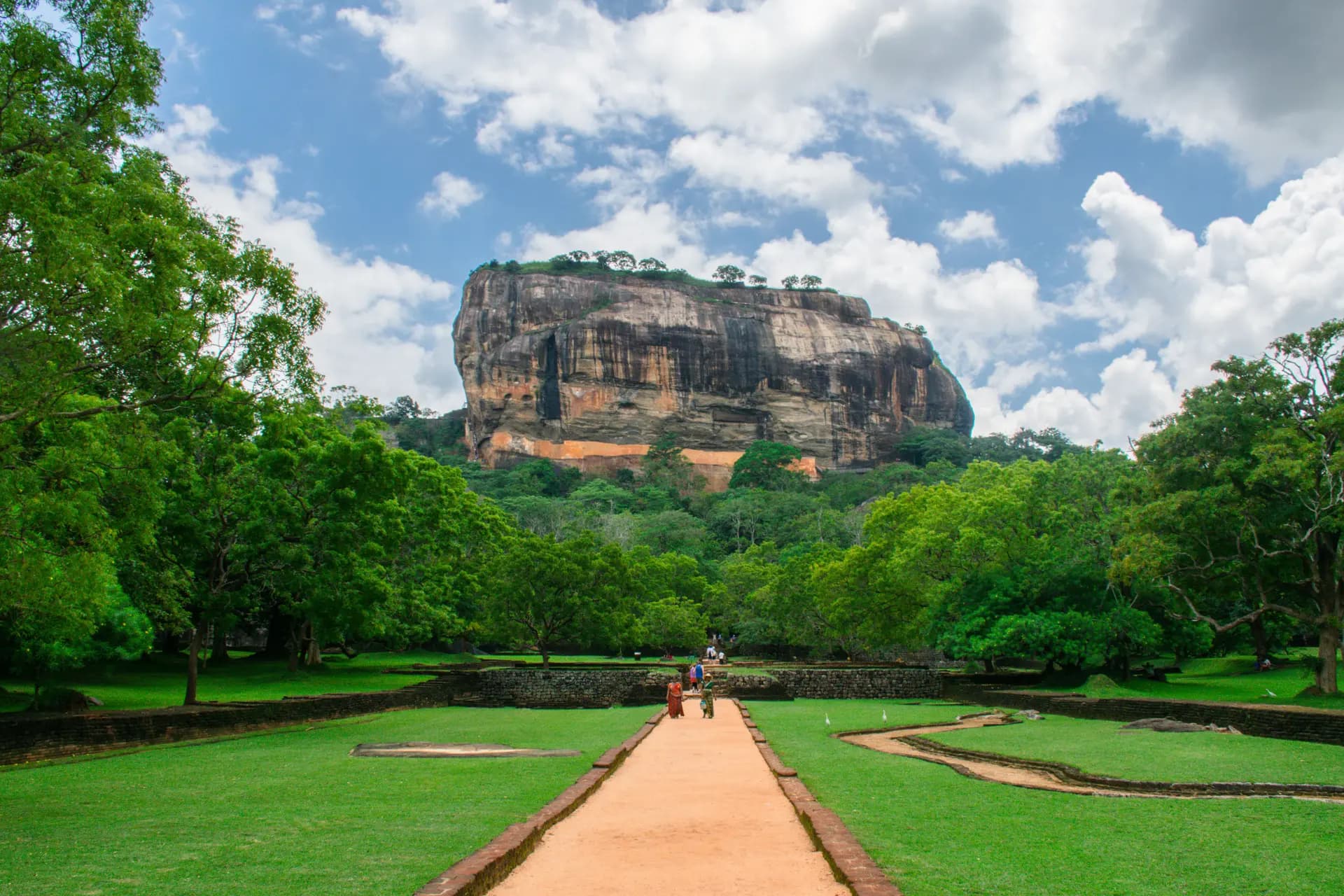
Your journey begins at the base of the rock, walking through the beautifully landscaped Royal Gardens. These are divided into three distinct sections: the water gardens, the boulder gardens, and the terraced gardens. The water gardens are particularly impressive, featuring a complex network of pools, fountains, and streams that are still functional today during the rainy season. This area is perfect for capturing that iconic, perfectly symmetrical photograph of the rock rising in the distance.
The Terraced Stairs
As you move through the boulder gardens, the path begins to incline. You will navigate a series of stone staircases that wind their way through massive boulders and ancient brick walls. This section provides ample shade and a gradual introduction to the climb. Take your time here; the humidity can be taxing.
The Lion Staircase
About halfway up, you will reach the Lion Terrace, a large plateau on the northern side of the rock. Here, you will encounter the most dramatic architectural feature of Sigiriya: two massive, exquisitely carved lion paws flanking the final staircase to the summit. Originally, the staircase led through the open mouth of a colossal brick lion head, symbolizing the majesty and power of the king. While the head has long since crumbled, the paws remain a powerful reminder of the fortress's former glory. This is an excellent spot to rest, rehydrate, and prepare for the steepest part of the climb.
The Final Ascent
The final stretch from the Lion Paws to the summit involves a steep, narrow metal staircase bolted directly to the sheer rock face. This section can induce vertigo in those afraid of heights, and strong winds can sometimes buffet the staircase. However, the stairs are sturdy and enclosed by safety rails. Maintain a steady pace, and you will reach the top before you know it.
The Summit
Reaching the 1.6-hectare summit is a triumphant moment. The sprawling ruins of King Kasyapa's palace lay before you, featuring terraced levels, a large central pool carved into the rock, and the foundations of ancient buildings. The 360-degree panoramic views of the surrounding jungle, distant mountains, and reservoirs are simply staggering. It is a place to sit, reflect, and marvel at the ambition of a king who built his kingdom in the sky.
4. Frescoes & Mirror Wall
As you make your way up the rock, before reaching the Lion Terrace, you will encounter two of Sigiriya’s most famous historical features: the Frescoes and the Mirror Wall.
The Sigiriya Frescoes
A spiral metal staircase leads up to a sheltered recess in the rock face, home to the world-renowned Sigiriya Frescoes. These ancient paintings depict beautiful, celestial maidens—often referred to as Apsaras—adorned with elaborate jewelry and carrying flowers. Out of an estimated 500 original paintings that once covered a large swath of the rock face, only about 20 have survived the ravages of time and the elements.
The frescoes are painted in vibrant hues of red, yellow, and green, and their style is reminiscent of the famous Ajanta Caves in India. The exact identity of the women remains a subject of debate among historians; some believe they represent King Kasyapa’s concubines, while others argue they are celestial nymphs. Please note: To preserve these delicate ancient artworks, photography is strictly prohibited in the fresco cave.
The Mirror Wall
Descending from the frescoes, you will walk alongside the Mirror Wall. In ancient times, this brick wall, coated in a highly polished white plaster, was so reflective that the king could see himself as he walked beside it.
Today, the wall is famous for its ancient graffiti. For centuries, visitors to Sigiriya—dating as far back as the 8th century—scratched their impressions of the site into the plaster. These inscriptions, written in early Sinhalese, provide invaluable linguistic and historical insights, functioning as an ancient guestbook. Like the frescoes, touching or writing on the Mirror Wall is strictly forbidden.
5. Best Time to Visit
Timing is everything when visiting the Sigiriya Rock Fortress. To ensure the most comfortable and rewarding experience, you need to consider both the time of year and the time of day.
Best Time of Year
The optimal time to visit Sigiriya is during Sri Lanka's dry season, which generally runs from late December to early April. During these months, the skies are mostly clear, and the humidity is relatively lower, making the climb more pleasant. However, this is also the peak tourist season, so you can expect larger crowds.
If you prefer a quieter experience, the shoulder seasons of September to November can be a good compromise, though you should be prepared for occasional afternoon showers. For more information on planning your trip across the island, check out our guide on the best time to visit Sri Lanka.
Best Time of Day
To beat both the searing midday heat and the largest crowds, the absolute best time to start your climb is right when the gates open at 6:30 AM or 7:00 AM. Watching the sunrise from the summit, as the morning mist lifts off the jungle canopy, is a magical experience.
Alternatively, a late afternoon climb (starting around 3:30 PM) is also excellent. The temperatures begin to cool, and the golden hour light bathes the rock and the surrounding landscape in a warm, beautiful glow, perfect for photography. Just ensure you give yourself enough time to descend before the park closes at sunset.
Avoid climbing between 10:00 AM and 2:00 PM if possible. The heat on the exposed rock can be oppressive, and this is when the majority of large tour groups arrive, creating bottlenecks on the narrow staircases.
6. Combining with Cultural Triangle
Sigiriya is perfectly situated at the heart of Sri Lanka's Cultural Triangle, an area rich in history and archaeology. Making Sigiriya your base allows you to easily explore other spectacular nearby sites. If you have an extended itinerary, such as a 2-week Sri Lanka itinerary, you can seamlessly integrate these destinations.
Dambulla Cave Temple
Located just a 30-minute drive from Sigiriya, the Dambulla Cave Temple is another UNESCO World Heritage site and pairs perfectly for a combined day trip. The complex consists of five stunning caves filled with over 150 statues of Lord Buddha, ancient kings, and Hindu deities, all set against a backdrop of intricate ceiling murals.
Pidurangala Rock
For those seeking an alternative perspective and a more rugged adventure, hiking the adjacent Pidurangala Rock is highly recommended. The hike is cheaper, less crowded, and offers arguably the best view of the Sigiriya Rock Fortress itself. Many travelers choose to hike Pidurangala for sunrise and tackle Sigiriya later in the day, or vice versa.
Polonnaruwa and Anuradhapura
A bit further afield, the ancient ruined cities of Polonnaruwa and Anuradhapura offer deep dives into Sri Lanka's rich past. Exploring the stupas and ancient palaces of these cities will round out your understanding of the island's historical trajectory.
You can also head towards the hill country after the Cultural Triangle; for instance, you might explore the cold country and the tea plantations, providing a striking contrast to the warm, dry plains of Sigiriya.
7. Practical Tips
To wrap up, here are a few practical tips to keep in mind when visiting the Sigiriya Rock Fortress:
- Beware of the Wasps: There are several large wasp nests clinging to the sides of the rock near the Lion Terrace. While they generally do not bother visitors, they can become agitated by loud noises. There are "quiet zones" marked by signs; please respect them. In the rare event of a wasp attack, there are designated mesh enclosures on the Lion Terrace where visitors can take shelter.
- Pace Yourself: The climb is a marathon, not a sprint. Take frequent breaks, drink plenty of water, and don't rush, especially on the steeper sections.
- Dress Code: While Sigiriya is not an active temple and therefore doesn't have the strict dress codes of sites like the Temple of the Tooth, it is a site of cultural significance. Modest clothing (covering shoulders and knees) is appreciated by locals.
- Restrooms: The only restrooms are located near the main entrance and the car park. Make sure to use them before you begin your ascent, as there are no facilities on the rock itself.
- Stay on the Path: The ruins are delicate, and the surrounding jungle is home to wildlife, including snakes. Always stick to the designated pathways and staircases.
Scaling the Sigiriya Rock Fortress is an unforgettable highlight of any trip to Sri Lanka. With its fascinating history, breathtaking views, and architectural grandeur, it is a place that captures the imagination and lingers in the memory long after you have descended.
If you are planning your adventure and want to ensure a flawless experience, please feel free to contact our team of local travel experts. We are here to help you craft the perfect Sri Lankan journey!
Frequently Asked Questions
Handpicked Tours for This Journey
Sigiriya Rock Fortress Discovery
Explore the Cold Country