
Sri Lanka Weather by Month: The Ultimate Planning Guide
The Short Version
Sri Lanka is a year-round destination due to its dual monsoon system. The best time for the South and West coasts is December to March, while the East coast shines from May to September. Expect 27-30°C on the coast and cooler 15-20°C temperatures in the Hill Country.
Planning a trip to Sri Lanka?
We guide you from visa to hotels, beaches to hidden temples — and everything in between. Just drop us a WhatsApp, we reply in minutes.
Sri Lanka Weather by Month: Your Comprehensive Planning Guide
Sri Lanka may be a small island, but its weather is famously complex. Thanks to its position near the equator and the presence of two distinct monsoon systems, understanding Sri Lanka weather by month is the key to unlocking the perfect holiday. Whether you want to lounge on pristine beaches, hike through misty tea plantations, or spot leopards in national parks, this guide will help you decide exactly when and where to go.
Many travelers mistakenly believe that there is a definitive "off-season" in Sri Lanka. The truth is much more exciting: Sri Lanka is a genuine year-round destination. When one side of the island is experiencing heavy rains, the other side is typically bathing in glorious, uninterrupted sunshine.
In this comprehensive guide, we'll break down the dual monsoon system, provide a detailed month-by-month weather table, explain what the rainy season actually feels like, and share a packing checklist for your trip. We'll also cover the temperature variations between the coastal areas and the Hill Country, ensuring you are perfectly prepared for every climate zone.
The Dual Monsoon System Explained
Before diving into the month-by-month breakdown, it's essential to understand the two monsoons that dictate Sri Lanka's climate. The island's weather is primarily influenced by the Yala Monsoon and the Maha Monsoon.
1. The Yala Monsoon (May to August)
The Yala Monsoon brings rain to the southern, western, and central regions of Sri Lanka. During these months, the popular south and west coast beaches (like Galle, Mirissa, and Bentota) and the Hill Country can experience significant rainfall. However, this is the perfect time to visit the East Coast (such as Trincomalee, Arugam Bay, and Passikudah), which remains dry, sunny, and perfect for surfing and beach holidays.
2. The Maha Monsoon (October to January)
The Maha Monsoon affects the eastern, northern, and ancient cities areas of Sri Lanka. During this period, the East Coast experiences heavy rain. Conversely, this is the high season for the South and West Coasts, where the weather is dry and the seas are calm.
3. The Inter-Monsoon Periods (October/November)
During the transition between the two main monsoons, Sri Lanka experiences an inter-monsoon period. October and November are generally the wettest months across the entire island. You can expect unpredictable weather, frequent thunderstorms, and heavy afternoon showers regardless of where you are.
Month-by-Month Weather Breakdown Table
Here is a comprehensive 12-month table covering the weather across different regions of Sri Lanka, average coastal temperatures, and our regional advice.
| Month | South & West Coast | East Coast | Hill Country | Coastal Temps (°C) | Regional Advice |
|---|---|---|---|---|---|
| January | ☀️ Excellent (Dry, Sunny) | 🌧️ Wet (Maha Monsoon) | ⛅ Cool & Clear | 27 - 31°C | Peak season for the South coast. Great for our South Coast Vibe tour. |
| February | ☀️ Excellent (Dry, Sunny) | ⛅ Improving (Less Rain) | ☀️ Sunny & Cool | 28 - 32°C | One of the best months overall. Clear skies across the South, West, and Hill Country. |
| March | ☀️ Excellent (Dry, Hot) | ☀️ Good (Dry, Sunny) | ☀️ Sunny, Warmer | 28 - 32°C | Excellent across most of the island. Temperatures start rising before the monsoon. |
| April | ⛅ Mixed (Pre-Monsoon) | ☀️ Excellent (Dry, Sunny) | ⛅ Occasional Showers | 29 - 33°C | Hot and humid. The Sinhalese New Year falls in mid-April. Good time to transition East. |
| May | 🌧️ Wet (Yala Monsoon) | ☀️ Excellent (Dry, Sunny) | 🌧️ Wet & Misty | 28 - 32°C | The Yala Monsoon hits the South/West. Head East for beaches and clear waters. |
| June | 🌧️ Wet (Yala Monsoon) | ☀️ Excellent (Dry, Sunny) | 🌧️ Wet & Windy | 28 - 31°C | Similar to May. The East Coast is in its prime. Great surfing in Arugam Bay. |
| July | ⛅ Mixed (Brief Dry Spell) | ☀️ Excellent (Dry, Sunny) | ⛅ Showers, Breezy | 28 - 31°C | The South often experiences a brief respite from the rain. East is still perfect. |
| August | ⛅ Mixed (Occasional Rain) | ☀️ Excellent (Dry, Sunny) | ⛅ Mild, Some Rain | 28 - 31°C | A popular summer holiday month. Kandy Esala Perahera festival takes place. |
| September | 🌧️ Wet (Pre-Maha Monsoon) | ☀️ Good (End of Season) | 🌧️ Wet | 28 - 31°C | Weather begins to shift. Rains increase on the South/West coast. |
| October | ⛈️ Inter-Monsoon (Heavy Rain) | ⛈️ Inter-Monsoon | ⛈️ Wet & Unpredictable | 27 - 30°C | The wettest month island-wide. Expect heavy afternoon thunderstorms everywhere. |
| November | ⛈️ Inter-Monsoon (Heavy Rain) | 🌧️ Wet (Maha Monsoon) | ⛈️ Wet & Unpredictable | 27 - 30°C | Rains continue, but begin to clear up on the South and West coasts late in the month. |
| December | ☀️ Excellent (Dry, Sunny) | 🌧️ Wet (Maha Monsoon) | ⛅ Cool & Clear | 27 - 30°C | High season begins in the South/West. Book early for Christmas/New Year holidays! |
What Does the Monsoon Actually Feel Like?
When travellers hear the word "monsoon," they often picture weeks of unending, torrential rain that ruins any chance of a holiday. In Sri Lanka, the reality of the monsoon is quite different.
Short Tropical Showers vs. Continuous Downpours
During the monsoon season, you are very unlikely to experience continuous, gray, drizzly days like you might in Europe. Instead, Sri Lankan monsoons typically feature intense, heavy, and dramatic tropical downpours that last for an hour or two. These showers most frequently occur in the late afternoon, evening, or overnight.
This means that even during the "rainy season," you will often wake up to bright blue skies and blazing sunshine. You can spend the morning sightseeing, hiking, or relaxing by the pool, and then retreat indoors for a cup of world-famous Ceylon tea when the afternoon rain arrives.
The Beauty of the Wet Season
There are distinct advantages to travelling during the monsoon or "off-season". The landscapes, particularly in the cultural triangle and the Hill Country, become vibrantly lush and green. Waterfalls are at their most spectacular, and national parks burst with life. Furthermore, you'll benefit from significantly lower hotel rates and fewer crowds at major tourist attractions.
Hill Country Temperatures: A Drastic Contrast
One of the most surprising aspects of Sri Lanka weather by month is the drastic temperature difference between the coastal areas and the central Hill Country. Because the island is small, you can travel from sweltering tropical beaches to cool, misty mountains in just a few hours.
The Coastal Climate (27°C - 33°C)
Whether you are in Colombo, Galle, or Arugam Bay, the coastal areas are consistently hot and humid year-round. Temperatures rarely drop below 27°C (81°F) during the day and the humidity sits around 80%. You will live in shorts, t-shirts, and swimwear.
The Hill Country Climate (15°C - 20°C)
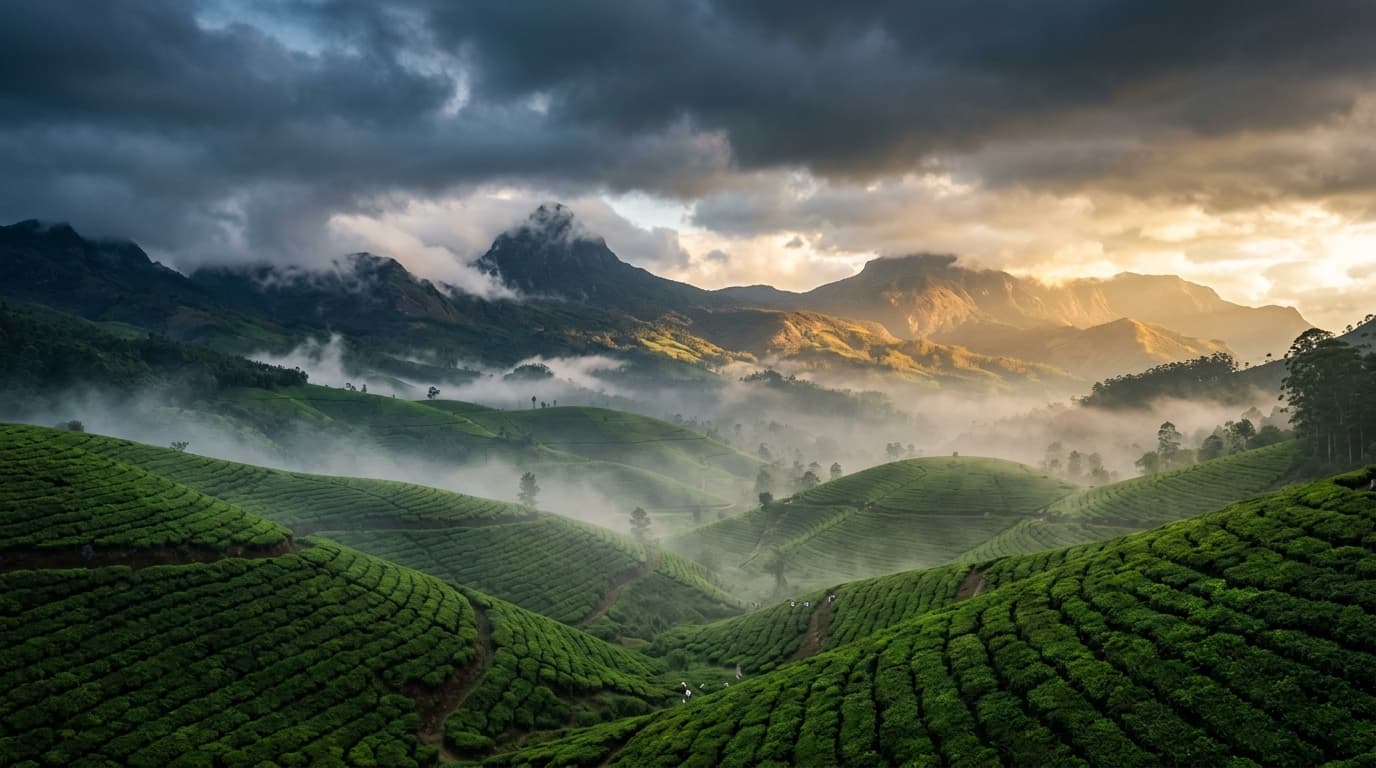
As you ascend into the central highlands to destinations like Ella, Nuwara Eliya, and Hatton, the climate changes dramatically. Due to the high altitude (Nuwara Eliya sits at 1,868 metres above sea level), the air is crisp, cool, and often misty.
During the day, temperatures average a comfortable 15°C to 20°C (59°F to 68°F), perfect for hiking through tea plantations and conquering peaks like Adam's Peak or Ella Rock. At night, temperatures can plummet to 10°C (50°F) or even lower. Many heritage hotels and colonial bungalows in the region even feature roaring log fires in the evenings! If you are planning an itinerary like our Explore the Cold Country tour, you must pack accordingly.
Essential Packing Checklist for Sri Lanka
Because you will likely experience multiple microclimates during your Sri Lankan adventure, packing requires some strategic thought. Here is a comprehensive packing checklist to ensure you are prepared for both the tropical heat and the mountain chill.
For the Beaches & Cultural Triangle (Hot & Humid)
- Lightweight, breathable clothing: Linen and cotton shirts, shorts, and summer dresses. Avoid synthetic fabrics that trap heat.
- Swimwear: Bring at least two swimsuits so one can dry while you wear the other.
- Sun protection: A wide-brimmed hat, polarized sunglasses, and reef-safe, high-SPF sunscreen (which can be expensive to buy locally).
- Modest temple wear: When visiting sacred sites like the Temple of the Tooth or Anuradhapura, you must cover your shoulders and knees. A sarong or lightweight scarf is incredibly useful to keep in your day pack.
- Footwear: Comfortable sandals or flip-flops (easy to slip off at temple entrances) and breathable walking shoes for exploring ruins.
For the Hill Country (Cool & Misty)
- Warm layers: A good quality fleece, a warm sweater, or a lightweight down jacket. You will absolutely need this in the evenings.
- Long trousers: Essential for warmth and also good protection against leeches if you are trekking through wet jungle areas.
- Rain gear: A lightweight, breathable waterproof jacket or a compact umbrella.
- Sturdy footwear: Waterproof hiking boots or trail running shoes with good grip for muddy trails and tea estate walks.
- Warm sleepwear: Nights can be surprisingly cold, so pack comfortable, warm pyjamas.
General Essentials for All Regions
- Mosquito repellent: DEET-based repellents are highly recommended, especially for the evenings and in jungle areas.
- Reusable water bottle: Help reduce plastic waste; many hotels offer filtered water refill stations.
- Universal travel adapter: Sri Lanka uses a mix of Type D, Type M, and Type G plugs, so a universal adapter is essential.
- Basic first aid kit: Including rehydration salts, anti-diarrheal medication, plasters, and antiseptic cream.
- A good book: For those relaxing afternoons listening to the tropical rain.
Travel Insurance and Weather Disruptions
Because Sri Lanka is a tropical island with robust monsoon seasons, there is always a slight element of unpredictability regarding the weather. While severe disruptions are rare, heavy rains can occasionally lead to localized flooding or minor landslides in the Hill Country, which might require a detour or a slight adjustment to your itinerary.
This is why securing comprehensive Sri Lanka Travel Insurance is highly recommended. Ensure your policy covers trip delays or interruptions due to weather events. If you book a bespoke itinerary with Tarragon Leisure, our local team monitors weather patterns daily and will seamlessly reroute your journey or reorganize activities if an unexpected downpour impacts your plans, ensuring your luxury holiday remains completely stress-free.
Planning Your Itinerary Around the Weather
The key to a successful Sri Lankan holiday is aligning your itinerary with the weather patterns. If you have inflexible dates, simply choose the side of the island that is experiencing its dry season.
- Travelling between December and March? Focus your trip on the South and West coasts, the Cultural Triangle, and the Hill Country. This is the classic Sri Lanka route. Read our guide on the Best Time to Visit Sri Lanka for more seasonal itinerary ideas.
- Travelling between May and September? Head straight to the East Coast for pristine beaches, surfing in Arugam Bay, and whale watching in Trincomalee. You can also visit the Cultural Triangle, as it remains relatively dry.
- Travelling in October or November? Be prepared for rain, but enjoy the lush landscapes, empty beaches, and discounted luxury hotels. Keep your itinerary flexible and embrace the dramatic weather.
Before you book your flights, make sure you understand the entry requirements. Read our comprehensive Sri Lanka Visa & ETA Guide to ensure a smooth arrival.
Conclusion
Understanding Sri Lanka weather by month doesn't have to be daunting. By grasping the basics of the Yala and Maha monsoons and packing smart for the varying altitudes, you can enjoy this magnificent island paradise at any time of the year. Sri Lanka is truly a land of eternal summer, you just have to know which coast to look for it!
Ready to start planning your perfect, weather-optimised Sri Lankan adventure? Contact our team of local experts at Tarragon Leisure today. We'll help you craft a bespoke itinerary that chases the sunshine and avoids the worst of the monsoons, ensuring an unforgettable luxury holiday.
Frequently Asked Questions
Handpicked Tours for This Journey
Explore the Cold Country

South coast vibe