Is It Safe to Travel to Sri Lanka in 2026? A Local's Perspective
The Short Version
Yes, it is very safe to travel to Sri Lanka. The country has stabilized significantly following past economic challenges, and tourism is thriving. Violent crime against tourists is extremely rare, locals are famously hospitable, and standard travel precautions are generally all that is required for a secure trip.
Planning a trip to Sri Lanka?
We guide you from visa to hotels, beaches to hidden temples — and everything in between. Just drop us a WhatsApp, we reply in minutes.
Is It Safe to Travel to Sri Lanka? A Local Expert’s Guide
When planning a holiday to a far-off destination, safety is naturally one of the primary concerns for any traveler. If you are typing "is it safe to travel to Sri Lanka" into your search engine, you are likely navigating outdated news reports, hearing mixed opinions, and looking for clarity.
As a luxury travel agency based directly on the ground in Matara on the south coast, Tarragon Leisure is uniquely positioned to give you an accurate, real-time assessment. The short answer is a resounding yes, Sri Lanka is incredibly safe for tourists.
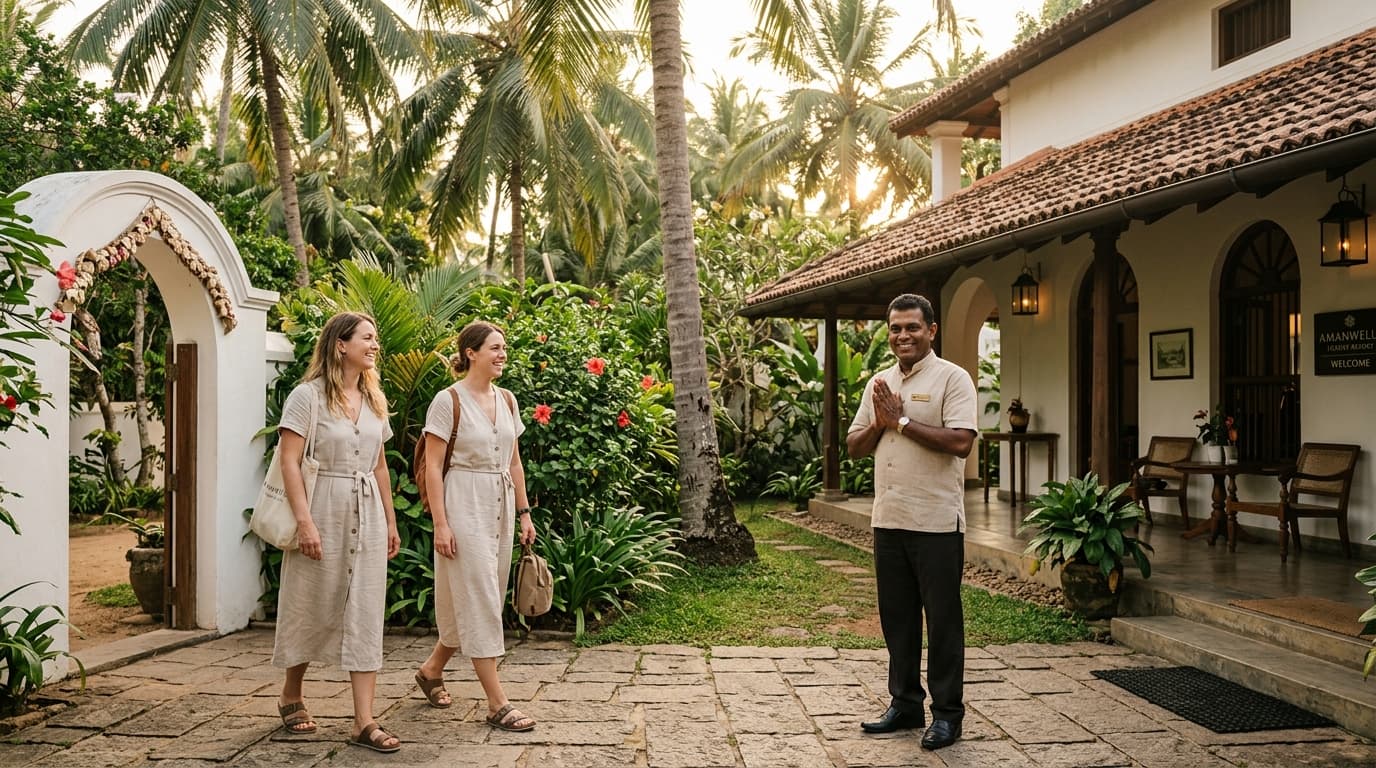
In fact, the hospitality and warmth of the Sri Lankan people are often cited by our guests as the absolute highlight of their trip. Whether you are wandering through Colombo, the vibrant capital, or exploring ancient ruins on a Sigiriya Rock Fortress Discovery tour, you will be met with smiles and a genuine desire to help.
Below, we break down the reality of traveling in Sri Lanka, covering everything from the economic climate to health tips and solo travel.
1. The Post-Crisis Reality: Politics and Economy
Has Sri Lanka recovered from the 2022 economic crisis? Yes, the country has stabilized drastically, and the logistical issues that plagued the nation in 2022 (like fuel queues and power cuts) have been fully resolved.
A few years ago, Sri Lanka made global headlines due to a severe economic crisis that led to protests and shortages. It is crucial to understand that these protests were largely peaceful and directed at the government, not at tourists.
Today, the situation on the ground for travelers is completely normal. Hotels are fully operational, transport networks are running smoothly, and restaurants are fully stocked. Tourism is a lifeline for the Sri Lankan economy. When you visit, your tourist dollars are actively helping local communities thrive. You will find that locals are more eager than ever to welcome you and ensure you have an unforgettable stay.
2. General Crime and Safety
Do I need to worry about being robbed or scammed? Violent crime against tourists is exceptionally rare in Sri Lanka. Your main concern should only be petty theft and standard tourist overcharging.
Sri Lanka is a predominantly Buddhist nation with strong cultural values surrounding hospitality and karma. You are generally much safer walking the streets of Galle or Kandy at night than you would be in many major European or American cities.
However, as with any tourist destination in the world, you should exercise common sense:
- Keep your valuables secure in crowded places like markets or train stations.
- Agree on tuk-tuk fares before getting in, or insist on using the meter (or ride-hailing apps like PickMe or Uber).
- Do not leave expensive electronics unattended on the beach while you swim.
By practicing basic travel awareness, the chances of you encountering any crime are incredibly low.
3. Solo Female Travel in Sri Lanka
Is it safe for a woman to travel alone in Sri Lanka? Yes, thousands of women backpack and travel solo across Sri Lanka every year safely.
Sri Lanka is generally a conservative society. While locals are very tolerant of tourists, dressing modestly (covering shoulders and knees) when off the beach and away from tourist hubs will invite less staring and more respect.
It is not uncommon for locals to ask personal questions like "Are you married?" or "Where is your husband?". While this can feel intrusive to Western sensibilities, in Sri Lanka, it is simply friendly small talk and a sign of cultural curiosity.
If you are a solo female traveler, we recommend:
- Avoiding isolated beaches or unlit rural roads at night.
- Using reputable transport companies or apps.
- If you feel uncomfortable with a line of questioning, simply invent a husband who is waiting for you at the hotel.
If you are planning a romantic getaway rather than a solo trip, you might want to read our specialized Sri Lanka Honeymoon Itinerary for the safest and most luxurious couples' retreats.
4. Health, Hygiene, and Medical Care
What health precautions should I take before and during my trip? Ensure your routine vaccinations are up to date, strictly avoid tap water, and protect yourself against mosquitoes.
Sri Lanka boasts a tropical climate, which means tropical bugs are present. Dengue fever, transmitted by mosquitoes, is present on the island, primarily during the monsoon seasons. The best defense is a good offense: apply a high-quality mosquito repellent containing DEET, especially at dawn and dusk, and sleep under a mosquito net if your room is not sealed with AC.
Food and Water Safety: Never drink tap water. Fortunately, high-quality filtered water is readily available everywhere. When eating local street food, a good rule of thumb is to eat where the locals eat. Look for places with high turnover where the food is cooked fresh in front of you.
If you do fall ill, Sri Lanka has an excellent, affordable private healthcare system in major cities like Colombo and Galle. However, we always strongly advise purchasing comprehensive Sri Lanka Travel Insurance before you fly, ensuring you are covered for any medical emergencies.
5. Transportation Safety
Are the roads safe in Sri Lanka? Sri Lankan traffic can appear chaotic and intimidating to outsiders, but professional drivers are highly skilled at navigating it.
We generally advise against tourists renting cars to drive themselves. The rules of the road are very different here, and large buses tend to dominate the highways aggressively.
Instead, rely on professional, licensed drivers. Booking a private driver through a reputable agency like Tarragon Leisure ensures you are in a safe, modern, insured vehicle with a driver who knows exactly how to handle local traffic.
For shorter distances, tuk-tuks are perfectly safe and a fun way to get around. If you are taking the public bus, hold on tight, as the drivers are notoriously fast!
6. Nature and Wildlife Risks
Is the wildlife dangerous? Sri Lanka is incredibly biodiverse, but encounters with dangerous wildlife in tourist areas are highly unlikely.
When you visit national parks, you will be accompanied by trained rangers and trackers who know exactly how to keep you safe around elephants, leopards, and bears.
In everyday situations, the most common wildlife you will interact with are stray dogs and macaques (monkeys).
- Stray Dogs: There are many street dogs in Sri Lanka. Most are docile and sleepy, but it is best not to pet them to avoid any risk of bites or rabies.
- Monkeys: Keep your hotel room windows closed when you aren't in the room, and do not feed the monkeys. They can become aggressive if they think you are withholding food.
7. Natural Disasters and Weather Safety
Is Sri Lanka prone to natural disasters? Like many tropical islands, Sri Lanka experiences monsoons, which can sometimes lead to localized flooding and landslides, particularly in the Hill Country and southwestern regions during heavy rains.
When planning your trip, it is advisable to check the weather patterns, which we have outlined in our Sri Lanka Weather Guide. If you are traveling during the monsoon season, remain vigilant and follow the advice of local authorities or your tour guide. Hotels and travel agencies like Tarragon Leisure are well-equipped to manage itinerary changes smoothly if extreme weather occurs. Tsunamis are a historical concern due to the tragic events of 2004, but Sri Lanka now benefits from a highly sophisticated Indian Ocean Tsunami Warning System that provides ample notice in the rare event of a threat.
8. LGBTQ+ Travel in Sri Lanka
Is Sri Lanka safe for LGBTQ+ travelers? Sri Lanka is a conservative and predominantly religious society, and same-sex relations are technically criminalized under a colonial-era law, though this is rarely enforced against tourists or locals.
For travelers, discretion is key. Public displays of affection are generally frowned upon for all couples, regardless of orientation. However, the hospitality industry, particularly luxury boutique hotels and high-end resorts, is incredibly welcoming, inclusive, and accustomed to hosting LGBTQ+ couples. Many of our guests enjoy a seamless and deeply romantic holiday. When you book a tailored journey, such as through Tarragon Leisure, we ensure your accommodations are fully vetted for privacy and inclusivity, offering total peace of mind.
Conclusion: Book with Confidence
Sri Lanka remains one of the safest, most welcoming, and most spectacular destinations in Asia. The smiles are genuine, the culture is deep, and the landscapes are unparalleled.
By taking standard travel precautions, respecting the local culture, and planning ahead, you are setting yourself up for the trip of a lifetime. If you want the ultimate peace of mind, consider booking a fully curated tour with experts who manage all the logistics and safety for you.
Ready to explore the teardrop island? Contact Us at Tarragon Leisure to begin crafting your perfect, secure Sri Lankan itinerary today.
Frequently Asked Questions
Handpicked Tours for This Journey
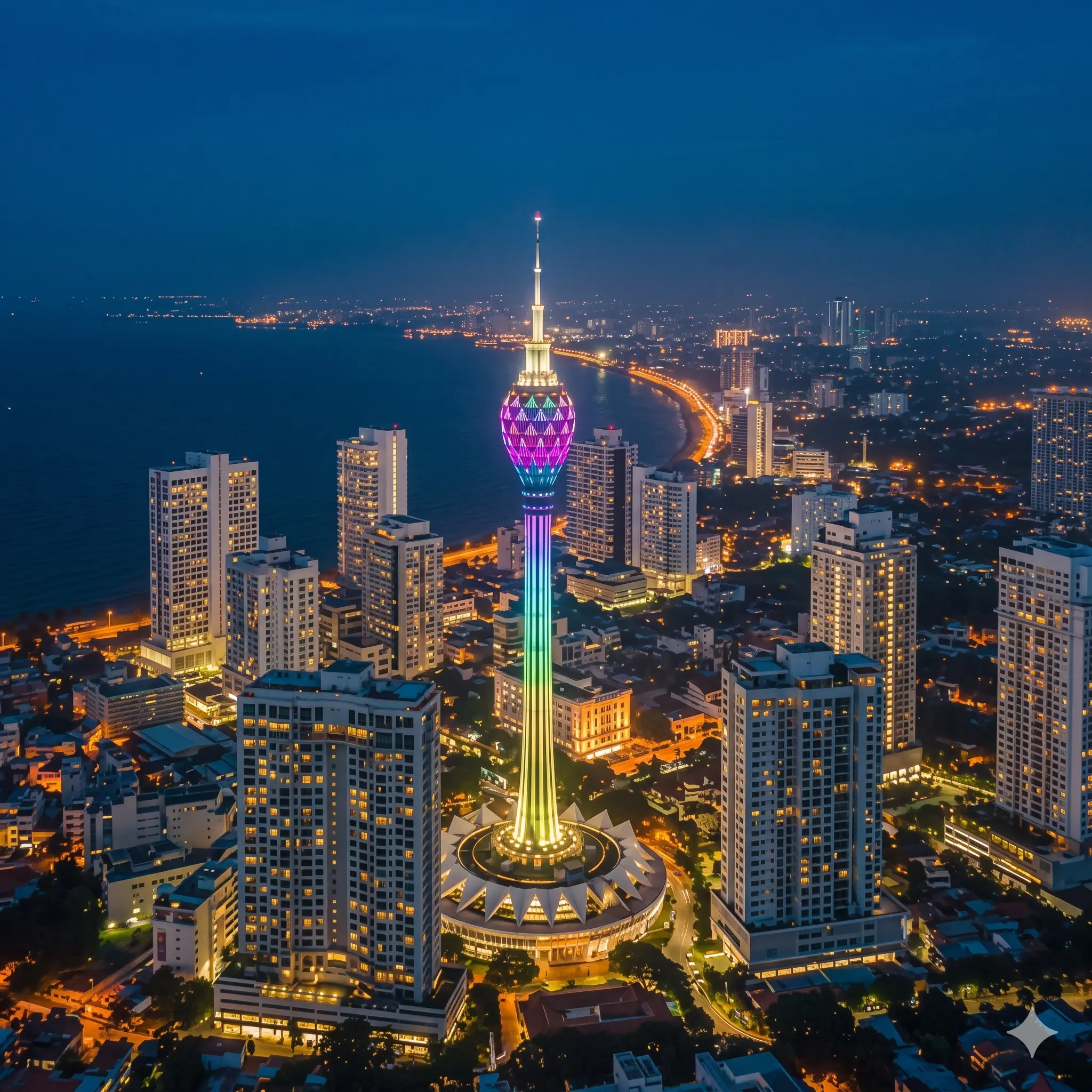
The Vibrant Capital
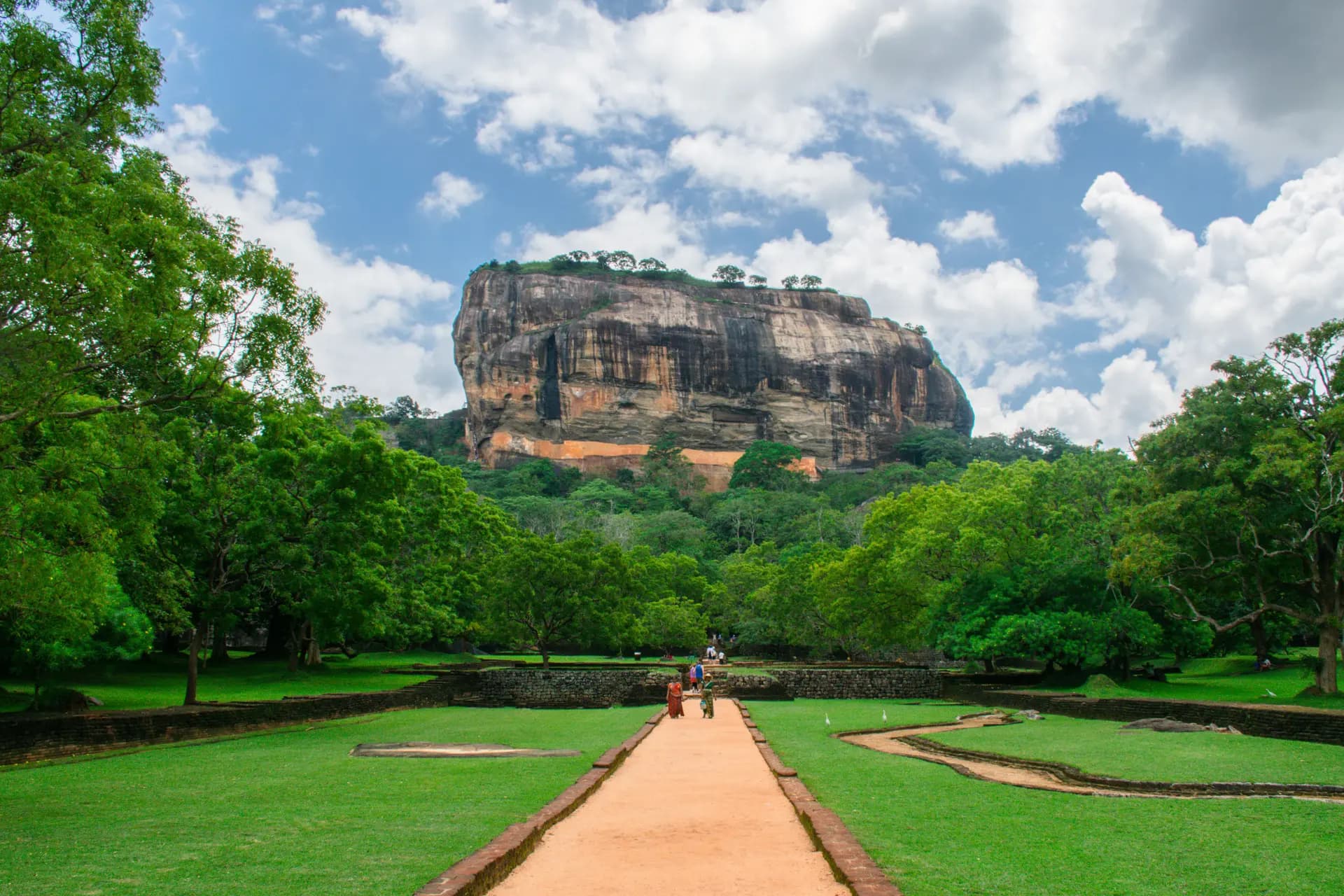
Sigiriya Rock Fortress Discovery